
Embarking on any art project with kids can feel like a daunting task. Here are a few tips to help along the way:
Fancy supplies aren’t required. Some of the most successful art projects involve found objects, or grocery store copy paper and crayons. Art doesn’t have to be made with expensive supplies to be meaningful.
Plan as a team. For example, give choices over what medium to use, or the subject matter. Together, map out a simple list of steps, including a cleanup plan. You’ll likely find that even washing brushes is fun when you do it together.
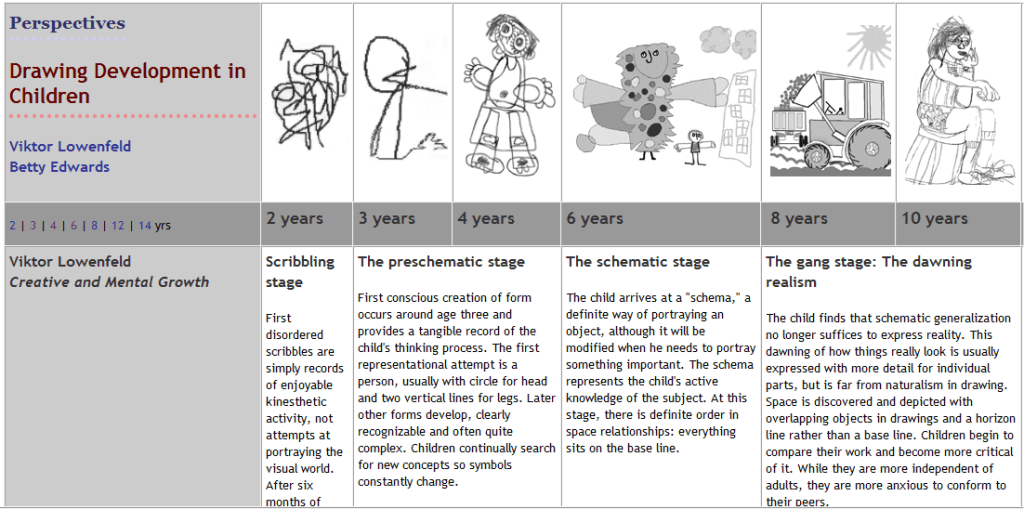
Keep projects age-appropriate. Fine motor skills develop as children age (think chunky toddler crayon v. mechanical pencil). Their view of art also develops with age, which is why younger children draw what they see differently than older children. Attention span also increases with age. If in doubt, simplify the project. Kids can always “add on” to the project.
Call everyone an artist, including yourself. “We artists always clean our brushes well so we can use them next time” can transform even the most stubborn kiddo into a superstar helper at clean-up time.
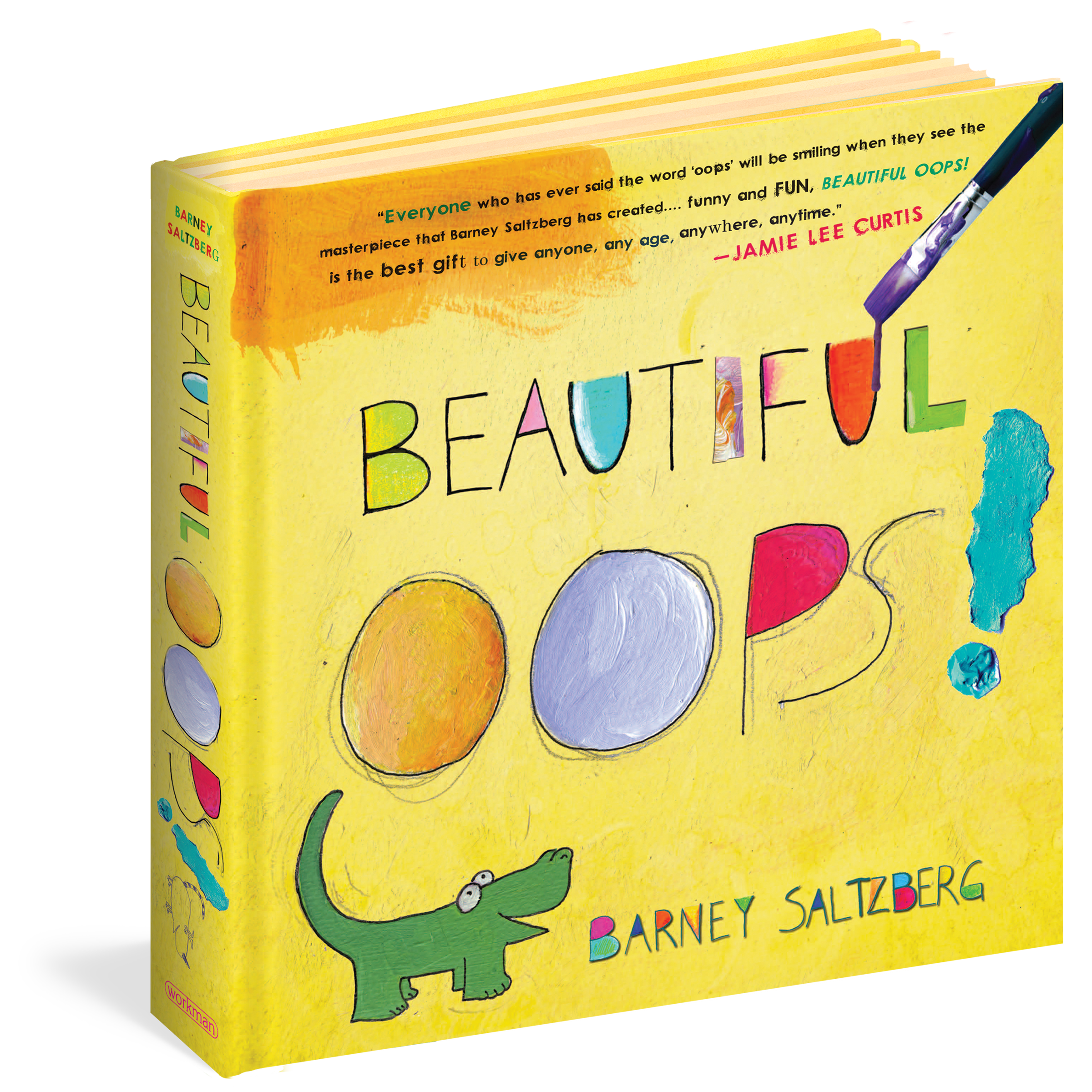 Embrace the mess. This is one of the hardest things for adults to do. While I’m not recommending glitter-flinging mayhem, accepting that making art can be messy is important. If children are fixated on being perfect and tidy, they may lose out on important opportunities for creativity. I highly recommend reading the book “Beautiful Oops” by Barney Saltzberg. “Every mistake is an opportunity to make something beautiful!”
The process is as important as the product. This goes hand in hand with “embrace the mess.” The most valuable part of making art is in the process itself. If a child is more mesmerized by smearing paint colors on a canvas than carefully painting with a brush, let them explore. This is one activity where rules really are meant to be broken. Within reason.*
Inspiration can come from everything. Stuck facing a blank canvas? Chat about their favorite activities, foods, toys…begin sentences with “what if.” You’ll be amazed what ideas are sparked.
Discuss rather than judge. Instead of “What a beautiful flower you drew!” or “You are so good at painting eyes!” aim for a more open-ended, nonjudgmental approach: “Tell me more about the colors you chose” or “What do you like most about your painting?” Giving children an opportunity to describe their art builds a foundation for aesthetic discussion as they grow.
*I once turned my back on my toddler and preschooler kids for, I swear, 2 minutes so I could pull some weeds while they enjoyed a sunny outdoor finger painting session. In that time they managed to paint each other from head to toe, and had started on “face art.” Thankfully we were outside, and it was washable tempera rather than permanent India Ink. Consider your location-if you don’t want paint on your new carpet, move to a less risky area!
Finally: Enjoy the result!
 eightstarsart.com